
Gutter Guards in Cottonwood, AZ
Cottonwood has the closest thing Arizona gets to a real autumn. Micro-mesh with genuine slope is the only guard we fit under these trees — and we will tell you where it is not enough.
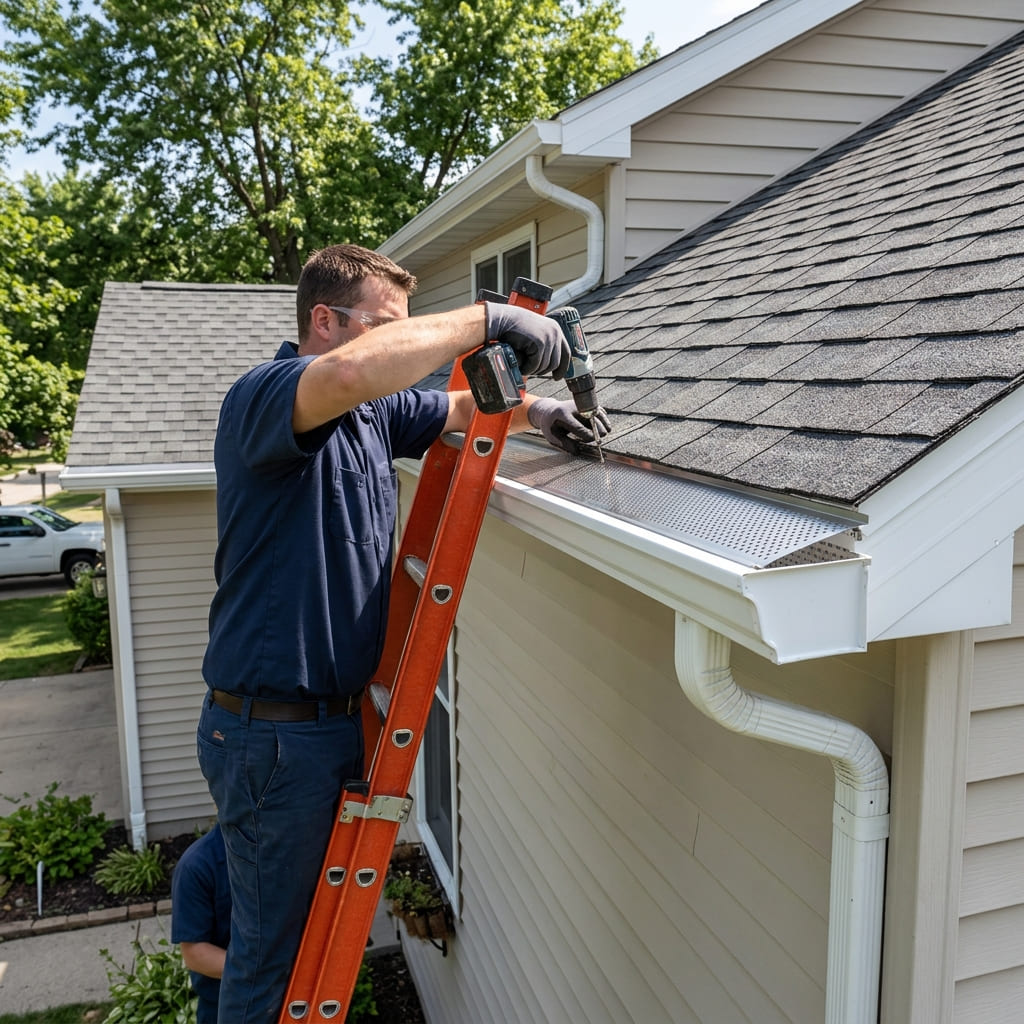
Gutter Guards for Cottonwood homes.
Cottonwood is the one Arizona market where a gutter guard has to handle a genuine broad-leaf autumn. The riparian cottonwood, sycamore, and willow along the Verde River give this town the Midwest-style seasonal clogging that almost no other community in the state deals with, and that is a fundamentally different problem from the fine dust and palm debris guards are usually sold against in Arizona. Cottonwood is the one market in this state where the industry’s usual name for these products — leaf guards — is literally accurate.
AZ Gutter Pros fits gutter guards across Cottonwood — Verde Village, the Verde River corridor and riverfront, the Dead Horse Ranch State Park area, the Mingus Avenue corridor, and the historic Old Town district.
Broad wet leaves defeat screen and louver guards completely. Leaves do not pass through them; they settle on top and mat over the openings, which turns the guard into a solid lid — and a lid sheds a monsoon burst straight over the front edge while the gutter underneath stays bone dry. Stainless micro-mesh with adequate roof slope is the only style we fit under these trees, because it keeps leaves on a surface where wind and rain can carry them off. Old Town is a separate conversation entirely: those early-1900s brick buildings drain through parapets and box gutters with interior leaders, where there is no fascia to hang a guard on and the protection that matters sits at the outlet instead. Our Cottonwood gutter services page covers both sides of this town.
There is an honest limit worth stating up front. Under a mature cottonwood directly overhanging a low-pitch roof, a guard is a supplement to an autumn cleaning schedule rather than a replacement for it. AZ Gutter Pros will tell you which of your rooflines fall into that category before you buy, not after.
What a Cottonwood guard job includes
What actually clogs gutters in Cottonwood.
What lands on a Cottonwood roof through the year, and what each load actually needs:
| What lands in the gutter | Where it comes from | What handles it |
|---|---|---|
| Broad wet leaves | Riparian cottonwood, sycamore and willow — autumn | Micro-mesh with real slope; screen and louver mat over and become a lid |
| Catkins & seed fluff | Cottonwood, late spring | Micro-mesh — fluff mats on any coarse surface it can catch on |
| Fine twigs & bark litter | Mature riverside canopy, year-round | Micro-mesh sheds it; screen collects and holds it |
| Flat-roof debris load | Old Town parapets and low-slope commercial roofs | Outlet domes and strainers on box gutters — a fascia-hung guard does not apply |
Real leaf load — and the honest limits of any guard.
Wet cottonwood leaves are the hardest thing a gutter system in this state has to deal with, and understanding why explains which guards work. A dry leaf is light and moves easily. A wet cottonwood leaf is broad, flat, and flexible, so leaves flatten into overlapping layers that hold water like a sponge, add real weight to the run, and seal a downspout outlet completely rather than partially restricting it. On top of a guard they do exactly the same thing — a flat guard surface under a heavy canopy accumulates a wet mat that never fully dries and therefore never blows clear.
Slope is the variable that decides whether a guard self-clears, and it is the question worth asking any installer here. Micro-mesh on a roof with genuine pitch sheds leaves as they dry, because gravity and wind have something to work with. On a low-pitch roof under directly overhanging trees it will not, and no amount of product marketing changes that geometry. AZ Gutter Pros looks at your actual roof pitch and your actual canopy before recommending anything, and on the worst riverside lots we will recommend a committed autumn cleaning schedule instead of selling a guard that cannot deliver what you would be buying it for.
Old Town needs a different product and a different way of thinking about protection. The historic brick commercial buildings along Main Street were built with parapet walls and flat or low-slope roofs, so drainage typically runs through built-in box gutters and interior downspout leaders rather than a K-style gutter hung on a fascia board. There is simply nothing there to fit a conventional guard to.
The equivalent protection on those buildings sits at the outlet: a dome strainer or basket that stops a mass of leaves sealing the leader, sized carefully so that the strainer does not itself become the restriction it was fitted to prevent. This matters more per dollar on a historic commercial roof than anywhere on a residential one, because these systems fail invisibly. A blocked interior leader shows up as staining inside a wall or ceiling rather than as water splashing off an eave outside, so it has usually been running for a while before anyone notices. And nothing AZ Gutter Pros fits alters the appearance of a building on the National Register.
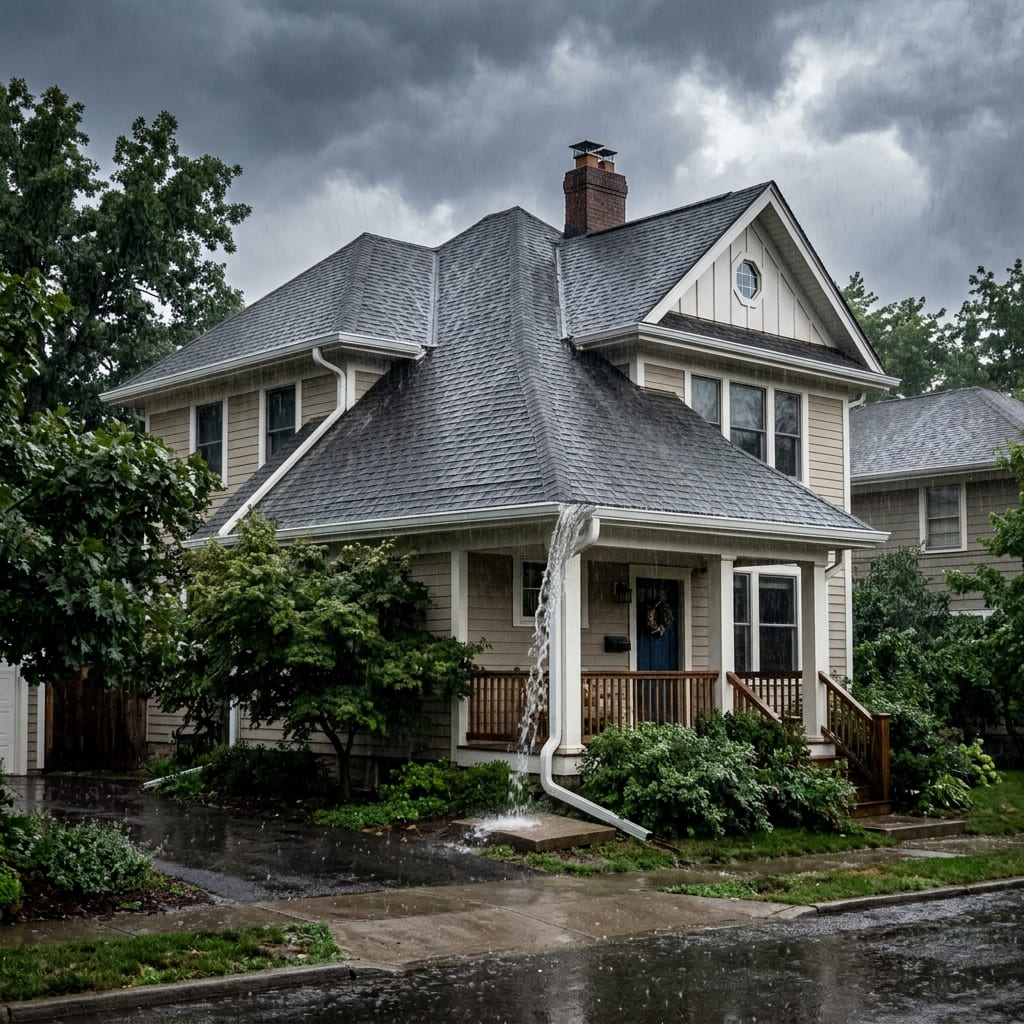
Gutter Guards cost in Cottonwood.
Guards are priced per linear foot. Micro-mesh is the only style we quote under broad-leaf canopy, and commercial outlet protection is priced separately because it is a different job:
| Scope | Typical range |
|---|---|
| Stainless micro-mesh guards | $8 – $16 / linear ft |
| Aluminum screen guards | $4 – $8 / linear ft |
| Old Town box-gutter outlet domes & strainers | Quoted per outlet |
| Guards + full autumn leaf clear-out | Bundled rate |
Screen is listed for completeness only — under cottonwood, sycamore, and willow it becomes a lid rather than a filter, and we will not quote it as the primary recommendation on a treed lot. Every price is confirmed in a free written estimate.
Where we fit guards in Cottonwood.
Also covering nearby Sedona, Clarkdale, Jerome, Camp Verde, Cornville — and much of the Verde Valley. Not sure if you are in range? Call (602) 536-0941 and ask.
Gutter Guards questions from Cottonwood homeowners.
Do gutter guards actually work with cottonwood leaves?
Micro-mesh with adequate roof slope does, and it is the only style we fit under these trees. The reason is that broad wet leaves do not pass through a guard, they sit on top of it — so what matters is whether that surface can shed them. Micro-mesh on a roof with genuine pitch lets leaves dry and blow clear. The honest qualifier is that on a low-pitch roof directly under a mature canopy, no guard self-clears reliably, and we would rather tell you that during the quote than have you discover it the following November.
Why don’t screen guards work in Cottonwood?
Because they were designed for a different problem. Screen and louver guards stop leaf-sized debris from entering the gutter, which sounds like exactly what this town needs. In practice broad wet leaves mat over the openings and turn the screen into a solid lid, and a lid sheds a monsoon burst over the front edge while the gutter underneath stays dry. That failure mode is worse than having no guard at all, because the water is now bypassing a system you believe is working. It is the single most common thing we are called out to replace here.
Will guards mean I never clean my gutters again?
No, and in Cottonwood specifically that would be a misleading claim. A guard changes the work rather than eliminating it: instead of digging a packed leaf mass out of the run, the job becomes clearing what has accumulated on the guard surface and checking the outlets. On a lightly treed lot that can genuinely drop you to a single annual visit. On a riverside property with mature trees directly overhead, expect to still want an autumn visit — the guard is making that visit shorter and protecting the outlets between times.
Do you protect gutters on Old Town commercial buildings?
Yes, though it is a different product from a residential guard. Old Town’s early-1900s brick buildings drain through parapets, built-in box gutters, and interior leaders, so there is no fascia to hang a guard on. Protection there means dome strainers or baskets at the outlets, sized so they stop a leaf mass sealing the leader without becoming the restriction themselves. It matters because these systems fail invisibly — as interior staining rather than visible overflow — and nothing we fit alters the facade of a building on the National Register.
When should gutter guards be fitted in Cottonwood?
Late autumn, after the leaf drop has finished, is the ideal window — the runs get cleared of the season’s load and the guard goes on to a clean system ahead of winter and the following monsoon. The second-best window is late spring, after the cottonwood catkins and seed fluff have come down, so the guard is in place before monsoon season. What we would avoid is fitting mid-autumn onto runs already carrying a partial leaf load, because that seals debris in rather than out.
Gutter Guards in other cities we cover.
Debris is local, so the right guard is too. Each of these pages covers what actually lands on a roof in that town.